


 76 / 132

76
FEBRUARY
BUSINESS
INTEL TIME
Taking the time to foster a more positive culture is worth
the investment. This means creating a workplace where
people feel trusted and able to contribute and raise questions
creativity, inspiration or innovation of others
are aiming to improve productivity.
Worryingly, people are most likely to
mimic what they’ve seen in others in stressful
situations, whether that’s an unfamiliar or
difficult professional position (50 per cent) or
when something goes wrong at work (32 per
cent). If people aren’t equipped with the
necessary tools to cope in a difficult or
challenging situation – which we all
encounter at work at some stage or another
– they will turn to the example set by others.
And this may not follow best practice, or be
the right approach for the circumstances.
Learning by emulation is not necessarily a
bad thing; it can be a tremendously-valuable
way for people to learn. But unless properly
managed, poor or negative traits can spread.
These can quickly topple performance,
damage the brand and create a toxic internal
culture. Taking some sensible steps can help
to mitigate this.
1. Invest in training
The casual nature with which many
organisations still view training and
development activity is concerning; very
few employees feel well supported by their
employer to learn new skills (just 24 per
cent). Almost two thirds (62 per cent) of
UK professionals say they are not “very
well equipped” to do their job. Even more
workers (69 per cent) feel unprepared for
the changing workplace, warning that they
will need to acquire new skills to do their
job in the next two to five years.
To help them develop new skills and
capabilities, most (58 per cent) would prefer
more formal training. It’s clear that people
are craving the opportunity to learn and gain
new skills; for employers, including
structured training in their staff development
programmes is key to influencing behaviour.
2.Prioritise soft skills
To maximise the impact of training,
businesses should ensure positive leadership
skills develop at every level. Core soft skills,
such as communication and feedback (45 per
cent) and motivation, ambition and resilience
(30 per cent) are perceived by professionals
as the most valuable in their colleagues.
What’s more, these are the traits that are
most likely to prove the most damaging when
wrongly transmitted. If someone is passive
aggressive when dealing with a supplier,
chances are the people around them will be
too, and this can have an extremely negative
effect on commercial success and reputation.
Making softer skills a core part of training
will help prevent this.
3. Don’t think this is just a problem for the
CEO (or HR Director)
Received wisdom says the tone of the
business is set by those at the top. But we
found that professionals’ behaviours are most
heavily influenced by the people they work
with most frequently (according to 50 per
cent of people), meaning it’s the desk-buddies
and section leaders that play the significant
role in shaping the culture of a business.
That’s not to say the behaviour of those at
the very top doesn’t matter. The swift exit of
Uber’s CEO after a raft of allegations about a
poor and damaging internal culture is proof
that setting a poor example has serious
consequences both for an individual leader
and the business. What the CEO does quickly
becomes recognised as the norm; any errors
of judgement effectively rubber-stamp their
being imitated further down a business.
4. Set some positive values
Taking the time to foster a more positive
culture is worth the investment. This
means creating a workplace where people
feel trusted and able to contribute and
raise questions, one where problems are
solved constructively, and where coaching
is the norm.
Values can help this, if used properly. If
executed well, positive values that have been
co-created with the wider business and have
a little touch of aspiration and ambition can
help positively guide behaviours and actions
within the organisation. Unlocking part of the
organisation’s DNA and putting it down on
paper sets the course for the business.
Back to the original question; how did you
leave colleagues in the office? Under pressure
or feeling supported and trusted? Regardless
of the level you sit at, you are shaping the
business and the way it acts. As well as
considering your own behaviour and the
message it sends, prioritising positive
leadership skills will create a more robust
business for the future.
Don’t let your organisation catch an
incurable leadership infection. Instead,
cultivate a leadership culture that is worth
passing on.
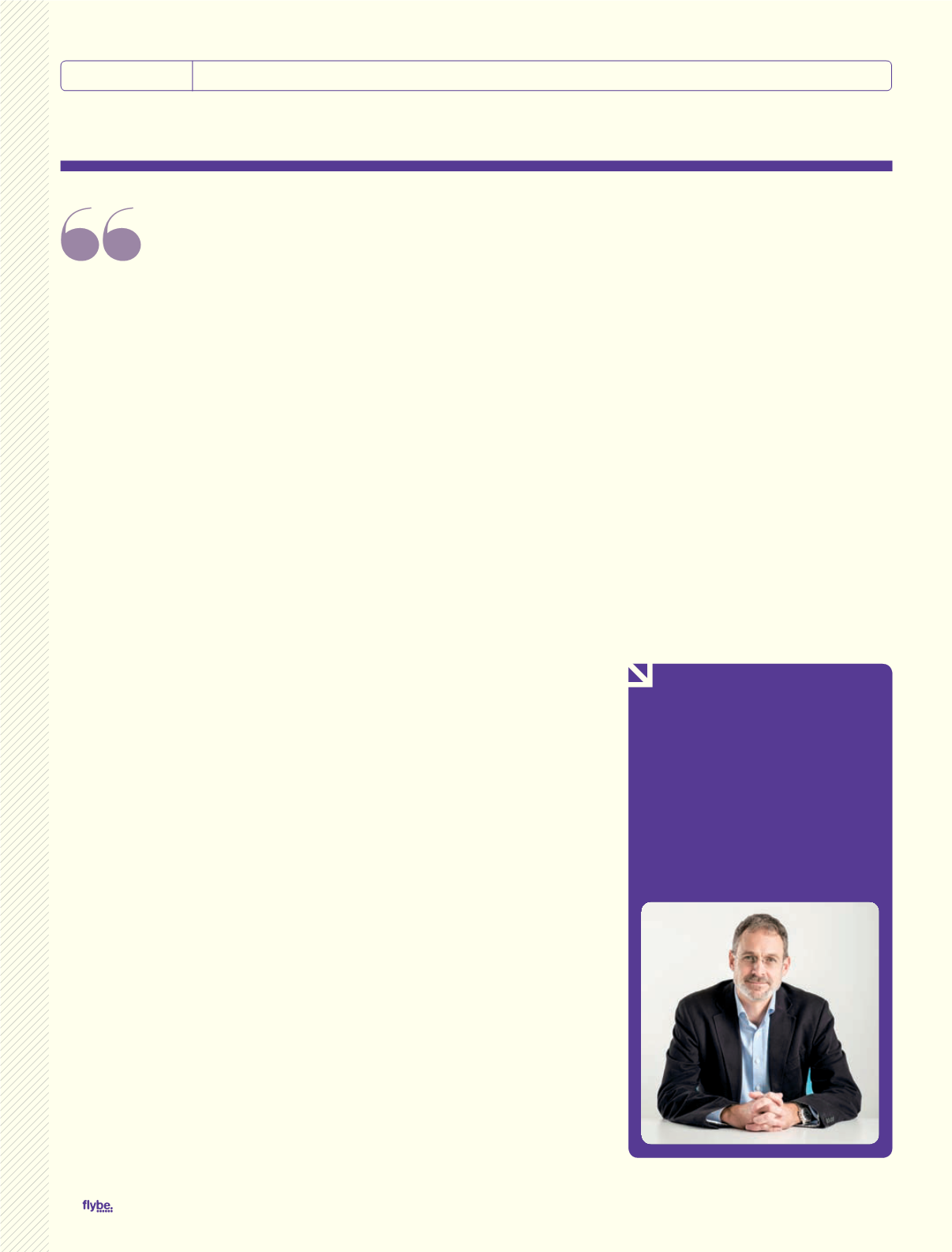
John Yates is the director of ILM, the
UK’s leading provider of leadership and
management qualifications and a City
& Guilds Group business. As well as
setting ILM’s strategic direction, John
serves as Director of New Ventures
at the City & Guilds Group, where he
oversees a £2.5m venture fund which
seeks to support innovation in how skills
education is delivered.
www.i-l-m.com